


GW
I write about how CNC programs and machining processes turn a part idea into material removal. My articles explain programming in its machine context and compare the mechanisms behind common operations, helping readers see where setup and process choice enter the result.
Stress-Strain Curve Explained: From Elasticity to Fracture
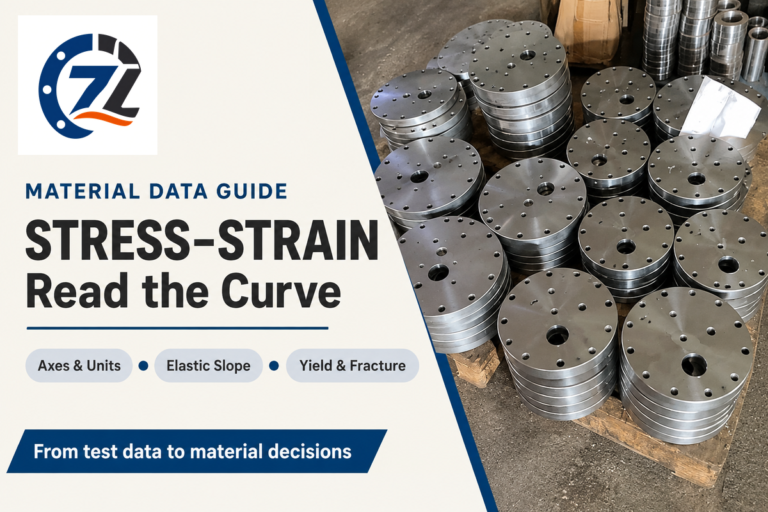
Updated October 2026 A stress strain curve is a graphical representation of how a material deforms under loading, with stress plotted against strain. Its initial slope describes stiffness; later features may show yielding, maximum stress in tension and fracture. See…
CNC Programming Explained: From Part Intent to Machine Context
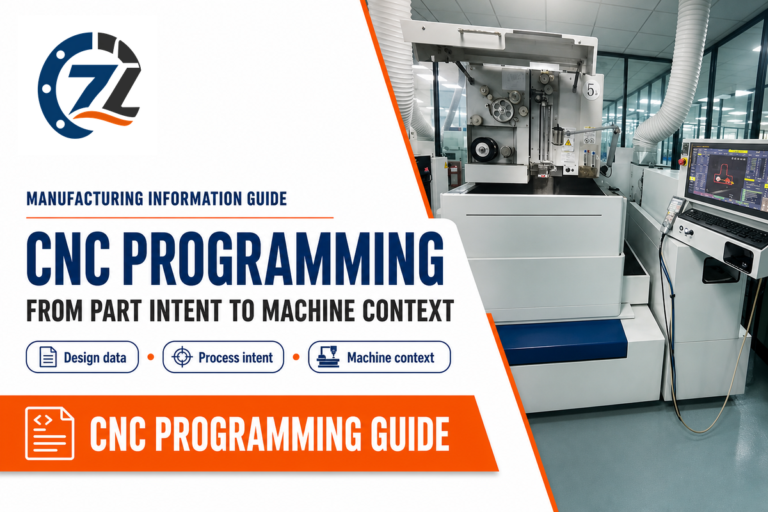
Manufacturing knowledge guide CNC programming is not just the act of writing G-code. For engineering or purchasing, it means carrying part intent through design data, manufacturing choices, machine context, and a controller-readable output. This guide explains that information chain before…
Machining Processes Explained: The Mechanisms Behind Material Removal
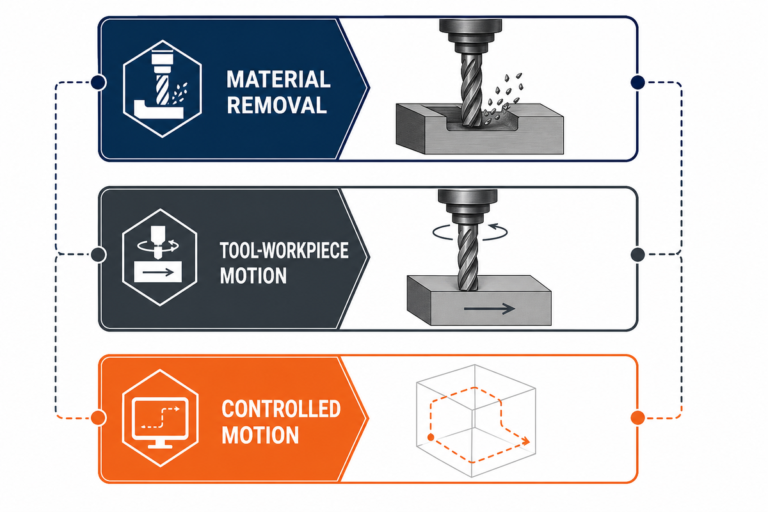
Machining processes are often labeled to convey as much information as possible in only a few words. Names such as ‘turning’, ‘grinding’, ‘EDM’, or ‘CNC machining’ can refer to different layers of the manufacturing conversation, including material removal, tool/workpiece motion,…
How to Verify a G-Code CNC Program Before Release
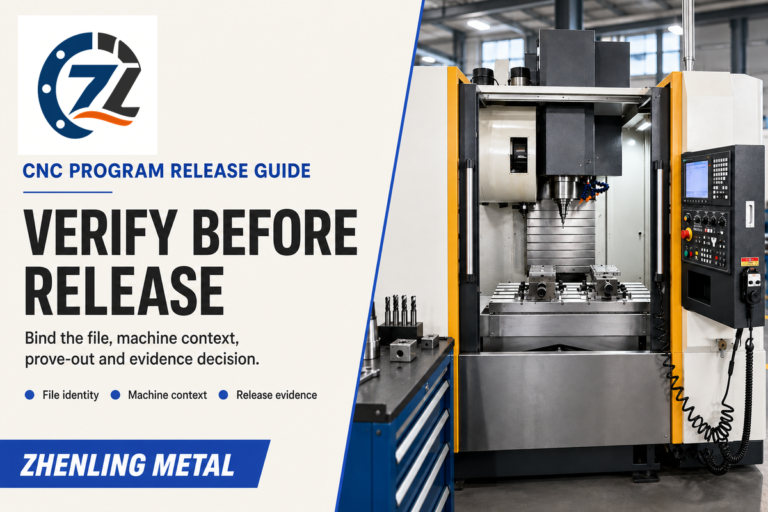
Updated September 2026 · By GW A G code CNC program is the posted instruction file prepared for a target control, machine, part, and setup; it can appear complete and ready for production while still lacking release evidence. The posted…
How to Plan and Verify Milling Operations Before Release

Milling Operations Planning and Verification describes the procedure to connect a drawing requirement to a controlled setup, qualified cuts and evidence that the drawing requirement is met. The name of the operation by itself doesn’t ensure access for the cutter,…